








Keeping politically exposed persons in sensitive areas of governance a threat to the resetting agenda - NDC’s Cadres Chairman to Prez

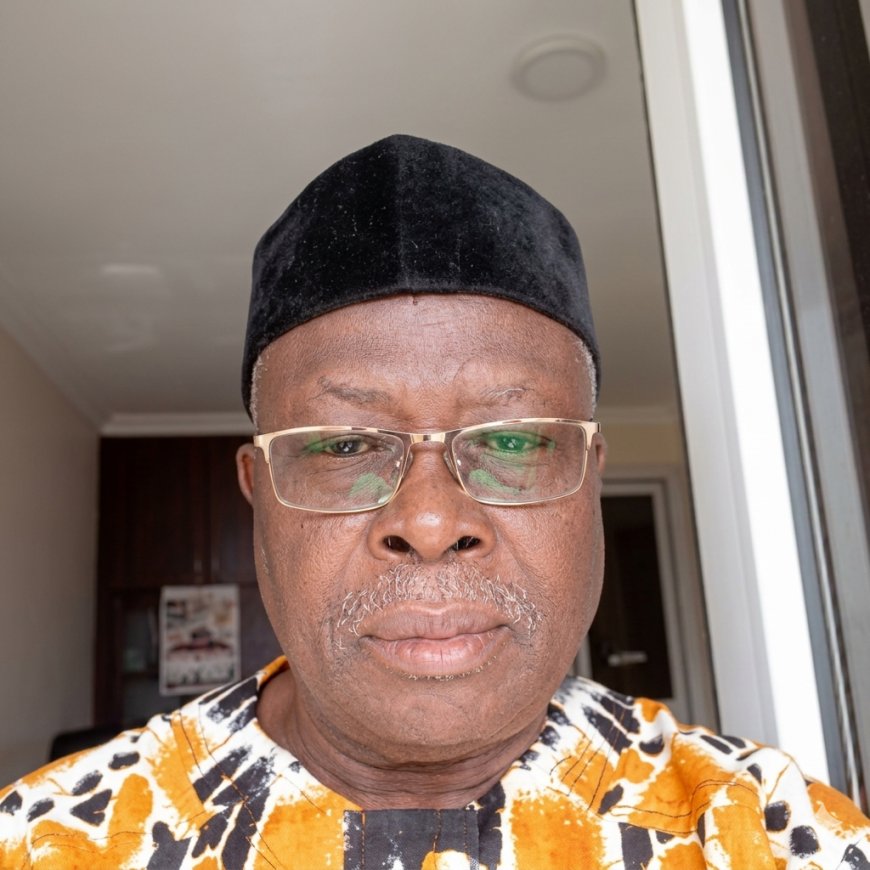
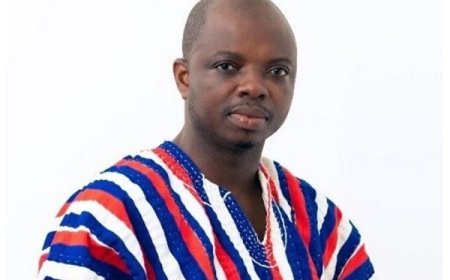
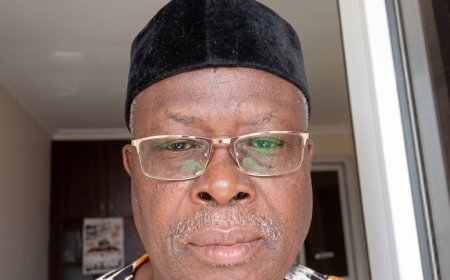
The National Chairman for the United Cadres Front (UCF) of the National Democratic Congress (NDC), Comrade Cadre Shine Gaveh has reiterated the need to remove politically exposed persons from sensitive offices in government machinery saying, “keeping them there poses serious threat to the successful achievement of the Ruling Government’s Retting Agender.
According to him, the past seventeen (17) Months of the Second Mahama Led NDC administration has been a lesson that, “Keeping politically exposed persons in sensitive areas of governance a threat to the resetting agenda
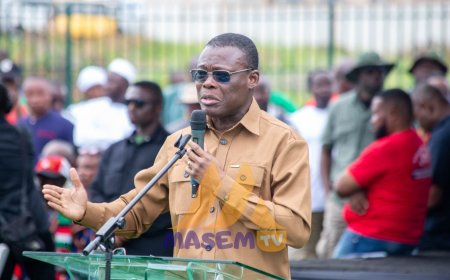
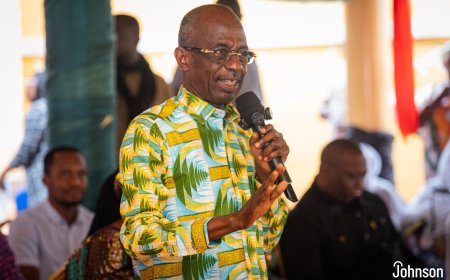
The Cadres Chairman who doubles as a member of the NDC’s Anniversary Planning Committee Member made the call whiles addressing a gathering of Cadres, Party Faithful, Political Leaders, Traditional and Religious leaders at the 2026 commemoration of the 47th June Fourth Uprising at Banda Ahenkro, the District Capital for Banda in the Bono Region.
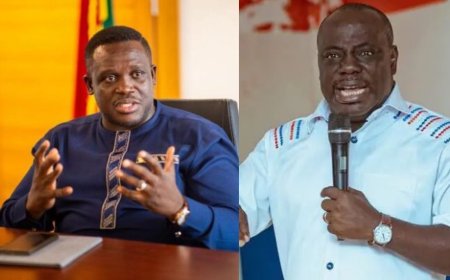
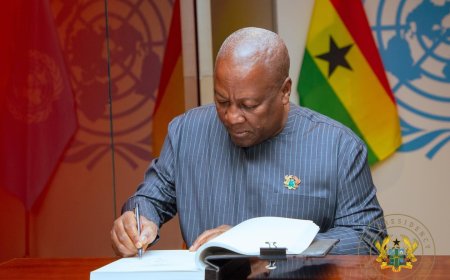
The commemoration which saw in attendance, the Vice President for the Republic of Ghana, Professor Jane Naana Opoku Agyemang who represented the President John Dramani Mahama who is traveled out of the country on a state duty, the Minister For Local Government, Chieftaincy and Religious Affairs and the Member of Parliament for Banda, Armed Ibrahim (Hon),the Bono Regional Minister, Joseph Adae Akwaboah and Leadership the National Chairman for the Ruling National Democratic Congress, Johnson Asiedu Nketia, General Secretary, Fifi Fiave Kwetey among others.
Highlighting on the theme for 2026 June 4 uprising commemoration dubbed, “Strengthening State Institution: Lessons from June 4 Uprising “, Comrade Cadre Gave commended the Mahama Led Administration for the commitment demonstrated towards strengthening state institutions towards achieving the goals for which they were established. According to him, one of the purposes for which the June 4th uprising was initiated was to make state institution independent for economic growth and looking back to the sacrifices made during the uprising, there is the need for the goal to be achieved.
He therefore called for the political will to flash out politically exposed persons from sensitive institutional positions.
On June 4, 1979, Flight Lieutenant Jerry John Rawlings led a violent but widely supported military uprising in Ghana that overthrew the ruling Supreme Military Council (SMC) government. Sparked by widespread corruption, severe economic hardship, and frustrations within the lower ranks of the military, the coup saw sympathetic soldiers break Rawlings out of custody where he was awaiting a treason trial.
Rawlings turned the trial against the government by accusing it of massive corruption and requesting his fellow accused to be set free as he was solely responsible for the mutiny. He was publicly sentenced to death and imprisoned.
On the night of 3 June 1979, junior military officers, including Major Boakye Djan, broke into the jail where Rawlings was held and helped free him. They then marched him to the national radio station to make an announcement. The first time the public heard from Rawlings was a statement that he had been released by the junior officers and that he was under their command. He requested all soldiers to meet with him at the Nicholson Stadium in Burma Camp, in Accra.
The soldiers rounded up senior military officers, including three former heads of state, General Fred Akuffo, Ignatius Kutu Acheampong and Akwasi Afrifa for trial. They were executed by a firing squad.
Rawlings was then appointed the head of the Armed Forces Revolutionary Council (AFRC) by the revolting junior military officers to run the country until the ongoing election was completed. Rawlings handed over his power to Hilla Limann in September 1979, but overthrew Limann's government on 31 December 1981.
What's Your Reaction?
 Like
0
Like
0
 Dislike
0
Dislike
0
 Love
0
Love
0
 Funny
0
Funny
0
 Angry
0
Angry
0
 Sad
0
Sad
0
 Wow
0
Wow
0