






















Banks Rebound as Deposits Increase and Bad Loans Fall

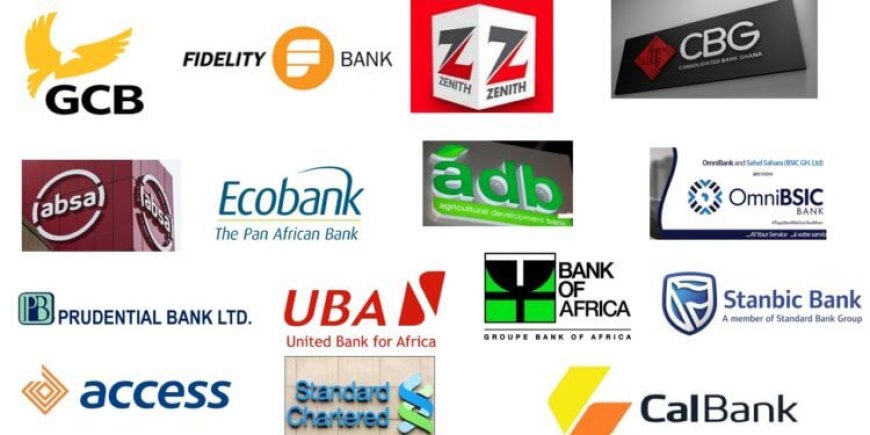
Ghana’s banking industry ended 2025 on a stronger footing, recording improvements in capital levels, loan quality, and lending activity clear signs that the sector is recovering steadily from recent economic difficulties.
According to a new report by the Ghana Association of Banks, the industry’s Capital Adequacy Ratio (CAR) rose from 14% to 17.5% in 2025. CAR measures a bank’s financial resilience by assessing how much capital it holds compared to the risks associated with its loans and investments. A higher ratio generally reflects a healthier and more stable banking system.
The report noted that the improvement was achieved largely without relying on temporary regulatory support measures introduced during the economic crisis. CAR excluding regulatory reliefs increased significantly from 11.3% to 17.5%, indicating that banks are strengthening their financial positions through internal recovery efforts.
The sector’s performance reflects a gradual return to stability following years of economic challenges, including inflationary pressures, debt restructuring, and deteriorating loan quality.
Bad Loans Continue to Decline
Banks also made notable progress in reducing non-performing loans (NPLs), commonly referred to as bad loans. The NPL ratio fell from 21.8% to 18.9% in 2025.
In addition, NPLs excluding fully impaired or loss-category loans declined sharply from 8.5% to 5%, suggesting stronger credit risk management, stricter lending practices, and improved recovery strategies across the banking industry.
The stronger financial position means banks are now better equipped to withstand economic shocks, safeguard customer deposits, and expand lending to businesses and households.
Assets, Deposits, and Lending Grow
The banking sector also recorded strong balance sheet growth during the year. Total industry assets increased by 21.5%, rising from ₵367.8 billion in 2024 to ₵446.9 billion in 2025.
Customer deposits grew by 17.8% to ₵325.3 billion, while loans and advances expanded by 16% to reach ₵111 billion.
The rise in deposits points to renewed public confidence in the banking system, while increased lending signals a gradual recovery in credit support for businesses and individuals.
Overall, the latest figures suggest that Ghana’s banking industry is transitioning from crisis recovery into a more stable growth phase, supported by stronger balance sheets, improved asset quality, and more disciplined risk management practices.
SOURCE: CITINEWS
What's Your Reaction?
 Like
0
Like
0
 Dislike
0
Dislike
0
 Love
0
Love
0
 Funny
0
Funny
0
 Angry
0
Angry
0
 Sad
0
Sad
0
 Wow
0
Wow
0