











Africa must shape global sustainability standards, not merely follow them – Elikem Kotoko

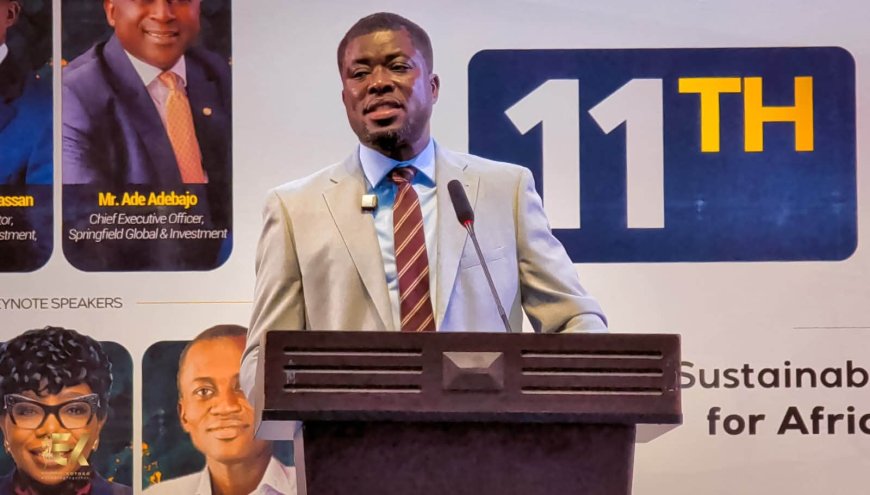
The Deputy Chief Executive Officer of the Forestry Commission, Elikem Kotoko, has called on African countries to position themselves at the centre of the global sustainability transition, insisting that the continent has the resources, youthful population, and innovation potential needed to shape the future of global trade and environmental governance.
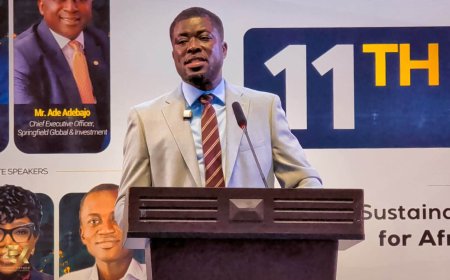
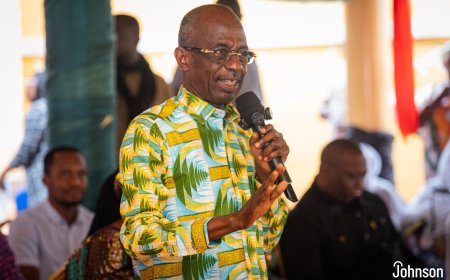
Speaking at the 11th International Conference on Business Management and Entrepreneurial Development (ICBMED) 2026 hosted by the University of Professional Studies, Accra (UPSA), Mr Kotoko said Environmental, Social and Governance (ESG) standards should not be viewed as foreign concepts imposed on Africa, but as strategic tools for economic competitiveness and long-term development.
Addressing participants on the theme, “ESG & Sustainability in Focus: What Does It Mean for Africa and Global Trade?”, the Forestry Commission Deputy CEO, who served as Chairman and panellist for the conference, stressed that the global economy is rapidly changing and increasingly rewarding countries that prioritise transparency, sustainability, accountability, and responsible production systems.
“ESG is not about adopting foreign ideas simply because the world demands it. It is about positioning Africa competitively within a rapidly changing global economy where transparency, sustainability, and accountability increasingly determine economic relevance,” he stated.
Mr Kotoko highlighted Africa’s enormous, untapped potential in renewable energy, innovation, green entrepreneurship, and sustainable industrialisation.
According to him, Africa possesses nearly 60% of the world’s best solar resources yet contributes only a small share of global solar energy generation capacity.
He also pointed to Africa’s youthful population as one of the continent’s greatest strategic advantages.
“Over 60% of Africa’s population is under the age of 25,” he noted, describing the demographic strength as a major opportunity for innovation, digital transformation, and green economic growth.
Mr Kotoko cited countries such as Kenya, Morocco, and South Africa as examples of African states making significant progress in renewable energy investment, sustainable mining, and energy transition financing.
He noted that Ghana is also making important strides in climate-focused financial initiatives, sustainable agriculture, and environmental governance reforms, including participation in REDD+ programmes and sustainable cocoa initiatives.
The Deputy CEO further underscored Ghana’s growing leadership in sustainable timber trade and forest governance.
“With so much pride, I reiterate that Ghana today is the first country in Africa to sign on to FLEGT,” he stated, explaining that the achievement allows Ghanaian timber products to be legally traded within the European Union market under internationally accepted sustainability standards.
According to him, the Forestry Commission’s Ghana Legality Assurance System continues to play a critical role in helping exporters meet global due diligence and environmental compliance requirements.
Mr Kotoko argued that Africa must approach ESG and sustainability discussions strategically if the continent is to remain relevant and competitive in global trade.
“If we act strategically, we will not simply adapt to new global rules. We will help shape them,” he declared.
He maintained that the future of Africa’s economic transformation will depend largely on how effectively countries align development with environmental sustainability, innovation, and responsible governance.
The conference brought together academics, policymakers, business leaders, researchers, and development practitioners to discuss emerging trends in sustainability, entrepreneurship, and global economic transformation.
What's Your Reaction?
 Like
1
Like
1
 Dislike
0
Dislike
0
 Love
0
Love
0
 Funny
0
Funny
0
 Angry
0
Angry
0
 Sad
0
Sad
0
 Wow
0
Wow
0