







President John Mahama Suspends State-Funded Foreign Trips for SOE Boards to Rein in Public Spending

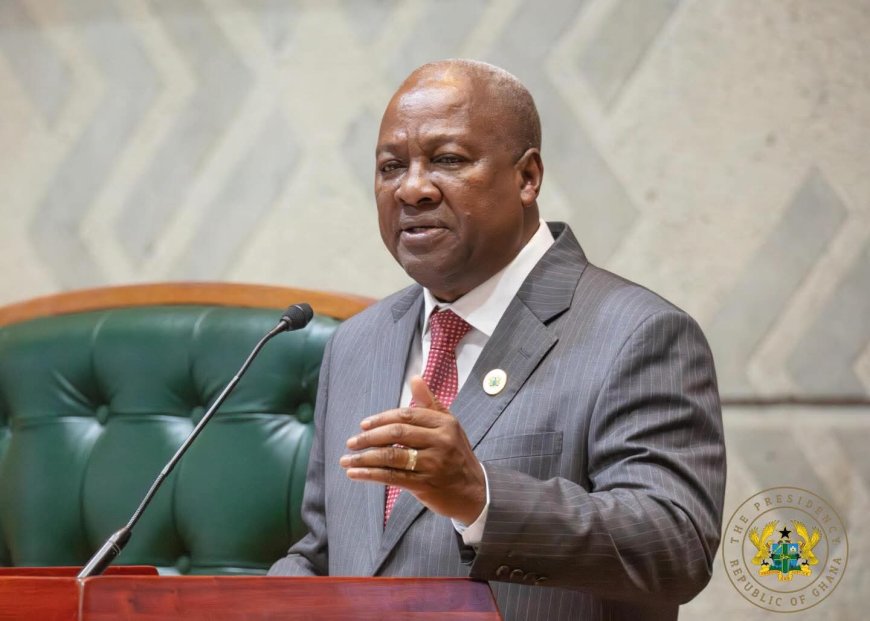
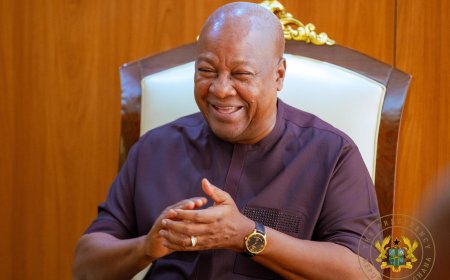
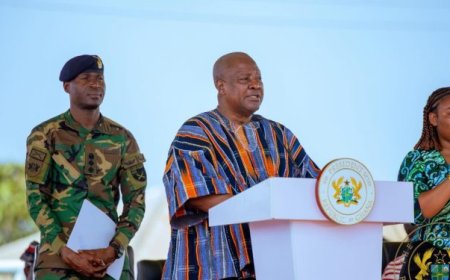
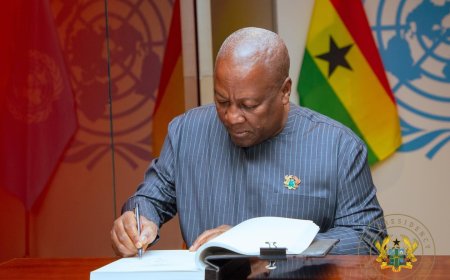
President John Dramani Mahama has ordered boards of state-owned enterprises (SOEs) and other public institutions to immediately stop undertaking international trips financed by the state for activities such as training, conferences, retreats, and study tours.
The directive, issued from the Jubilee House and signed by Secretary to the President Callistus Mahama, is part of wider government efforts to promote fiscal discipline and ensure responsible use of public funds.
Dated March 5, 2026, the statement explained that the President had been alerted to a rising pattern of overseas travel by boards of public institutions for various engagements.
Although the government acknowledges the importance of professional training and exposure to international best practices, the Presidency expressed concern over the increasing frequency and high costs associated with such trips. Many of these journeys, often involving several board members and lengthy schedules, have raised questions about the careful management of state resources.
Officials noted that some of the travels have led to considerable expenses on air tickets, accommodation, allowances, and other logistics, placing unnecessary strain on the national budget at a time when the government is pushing for tighter financial management and responsible spending.
In response, the President has directed that the practice of SOE boards and public institutions embarking on international travel funded by the state for such activities should stop immediately.
However, the directive allows exceptions in cases where foreign travel is considered absolutely necessary. In such situations, the relevant board must submit a formal request through its sector minister to the Chief of Staff at the Office of the President for approval by the President before any travel plans are finalized.
The government has also urged ministries, departments, and agencies to focus more on local training programmes and in-country capacity-building initiatives, which are seen as more cost-effective.
According to the Presidency, the move forms part of broader measures aimed at tightening expenditure controls and ensuring that limited national resources are directed toward key development programmes that benefit the Ghanaian population.
What's Your Reaction?
 Like
0
Like
0
 Dislike
0
Dislike
0
 Love
0
Love
0
 Funny
0
Funny
0
 Angry
0
Angry
0
 Sad
0
Sad
0
 Wow
0
Wow
0