





















Great numbers, poor reality - Miracles slams NDC
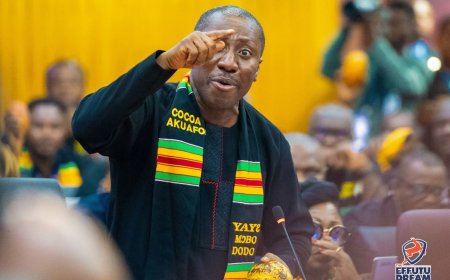
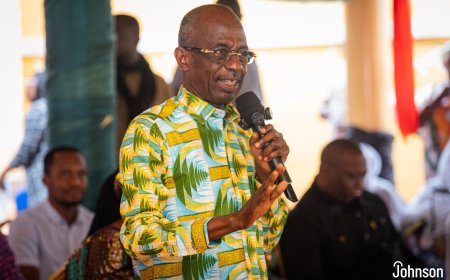
Dennis Miracles Aboagye, a former presidential staffer under Akufo-Addo, has criticised Minister Felix Kwakye Ofosu for claiming the NDC has the best economic record. Miracles described the statement as disingenuous, highlighting contradictions in the NDC’s economic management despite recent improvements in inflation and currency values.


Dennis Miracles Aboagye, a former presidential staffer under the Akufo-Addo administration, has criticised Felix Kwakye Ofosu, Minister of Government Communications, over his assertion that the National Democratic Congress (NDC) holds the best economic record in Ghana.
Miracles described Kwakye Ofosu’s statement as “disingenuous propaganda,” pointing to what he called inconsistencies in the NDC’s economic management. He argued that while inflation has recently dropped from 23% to 3.8%, and the cedi and fuel prices have improved, the cost of living remains high and critical sectors such as education, healthcare, and cocoa farming continue to face challenges.
“Despite impressive macro indicators, you still cannot pay cocoa farmers on time, and teachers and nurses remain underpaid after months of service. Students are paying more for university fees and hostels, and promised recruitment of nurses and teachers has not materialised,” Miracles wrote on Facebook.
He accused the NDC government of retaining “the most contradictory economic structure ever” in Ghana, asserting that recent improvements in inflation, currency, and fuel prices have not translated into tangible benefits for citizens.
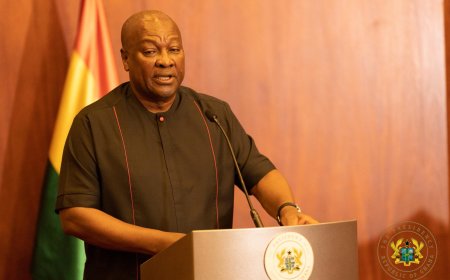
Kwakye Ofosu had previously cited the NDC’s record achievements, including a 40.7% annual cedi appreciation against the dollar in 2025, the lowest inflation rate of 2.9% in April 1999, the highest growth rate of 14.4% in 2011, and the largest foreign reserves of $13.8 billion at the end of 2025.
Meanwhile, Ghana’s year-on-year inflation rate fell to 3.8% in January 2026, a significant decline from 23.5% in January 2025. Government Statistician Dr. Alhassan Iddrisu noted that the easing of inflation creates opportunities to invest in efficiency, strengthen supply chains, reduce costs, and stabilise prices.
Dr. Iddrisu further highlighted that food inflation dropped to 3.9%, non-food inflation declined to 3.9%, and regional disparities in prices persisted, with the Savannah Region experiencing negative inflation at -2.6% while the North East Region recorded 11.2%.
The disinflation comes shortly after the Bank of Ghana cut the policy rate by 250 basis points to 15.5%, aligning with broader macroeconomic trends. Dr. Iddrisu urged the government to maintain fiscal discipline and continue investments in storage, irrigation, transport, and market access to sustain the gains in price stability.
VIDEO YOU MAY ALSO LIKE
What's Your Reaction?
 Like
0
Like
0
 Dislike
0
Dislike
0
 Love
0
Love
0
 Funny
0
Funny
0
 Angry
0
Angry
0
 Sad
0
Sad
0
 Wow
0
Wow
0