






IMF Should Relocate to Ghana If We Can’t Manage Economy After Exit — GNCCI CEO

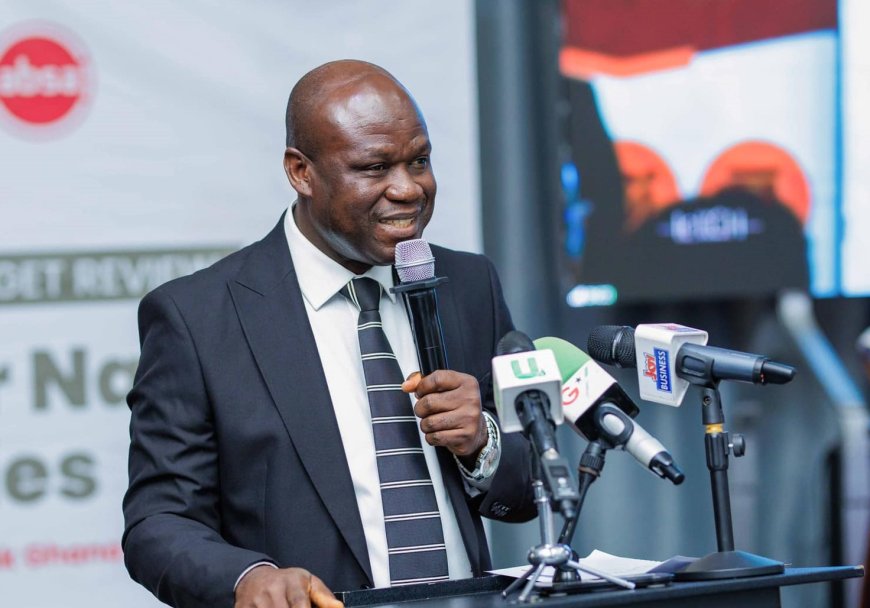
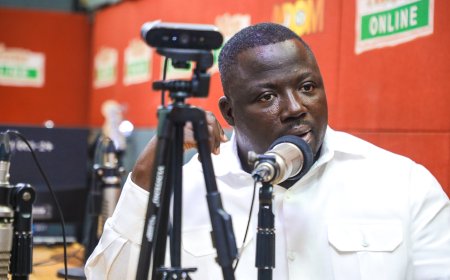
The Chief Executive Officer of the Ghana National Chamber of Commerce and Industry (GNCCI), Mark Badu-Aboagye, has cautioned Ghana’s political leadership against continued reliance on the International Monetary Fund (IMF), warning that the country must demonstrate the capacity to manage its economy independently after exiting support programmes.
Speaking on JoyNews’ PM Express Business Edition on Thursday, Mr. Badu-Aboagye described Ghana’s repeated return to IMF programmes as a national embarrassment and urged authorities to maintain fiscal discipline and sustain reforms introduced under such arrangements.
“If we continuously do what we are doing, then that means that we should be under IMF for life,” he said.
He stressed that failure to manage the economy after leaving an IMF programme would signal a loss of economic sovereignty.
“If after the exit of the IMF, we cannot manage our economy, then the IMF should bring their head office here and control us,” he stated.
Mr. Badu-Aboagye said the private sector’s frustration stems from Ghana’s long-standing cycle of instability, where reforms are embraced only during IMF supervision and abandoned once the programme ends.
According to him, Ghana has already implemented key IMF-backed measures and should continue them even after exiting the programme.
“This is because all the things that they have asked us to do, that we have done, I think we should continue,” he said.
He warned that deviating from the “fundamental changes” introduced under IMF guidance is a key reason the country keeps returning to the Fund.
“There shouldn’t be any reason why we should deviate from these important fundamental changes that the IMF have brought to us; that is why we keep going there,” he stressed.
Mr. Badu-Aboagye also criticised the political rhetoric that often portrays IMF engagement as undesirable, despite governments repeatedly seeking its support during economic challenges. He noted that Ghana has approached the IMF about 17 times, yet public discourse continues to frame such interventions as humiliating rather than corrective.
His comments come amid renewed debate over Ghana’s economic direction and the country’s ability to sustain stability without external bailouts. For the private sector, he said, policy inconsistency and weak commitment to reforms continue to undermine investor confidence and long-term planning.
Mr. Badu-Aboagye maintained that Ghana’s core challenge is not a lack of knowledge about necessary reforms but an inability to sustain them beyond IMF supervision. He argued that the IMF should be seen not as the source of hardship, but as a framework that exposes the need for discipline and accountability in economic management.
What's Your Reaction?
 Like
0
Like
0
 Dislike
0
Dislike
0
 Love
0
Love
0
 Funny
0
Funny
0
 Angry
0
Angry
0
 Sad
0
Sad
0
 Wow
0
Wow
0