























US Temporarily Permits Purchase of Sanctioned Russian Oil as Gulf Tensions Push Prices Past $100

The United States has granted temporary permission for countries to purchase sanctioned Russian oil that is already loaded on ships at sea, as part of efforts to reduce the economic shock caused by the ongoing US-Israel conflict with Iran.
US Treasury Secretary Scott Bessent explained that the move is a short-term step aimed at maintaining stability in global energy markets during the crisis. The special authorization will remain in place until April 11.
According to Bessent, the measure only applies to oil shipments that are already in transit and is designed to avoid providing significant financial gains to the Russian government.
The decision comes amid escalating tensions in the Gulf region. Attacks on cargo ships and energy facilities, along with the effective closure of the critical Strait of Hormuz shipping route, have unsettled global energy markets.
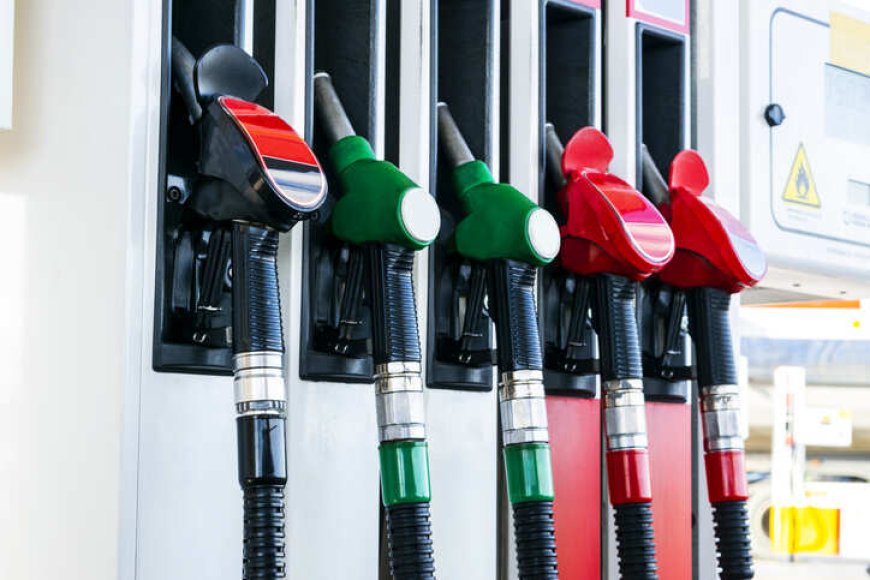
Oil prices surged above $100 per barrel on Thursday after three additional vessels were struck in the Gulf, while Iran’s new supreme leader pledged to continue blocking the strategic waterway.
The Strait of Hormuz is one of the world’s most important oil routes, with roughly 20 percent of global oil supplies typically passing through it.
Despite the spike earlier in the week, oil prices showed slight stability in Asian trading on Friday morning. Brent crude dipped 0.2 percent to $100.29 per barrel, while US crude fell 0.3 percent to $95.41.
Rising energy costs have forced governments around the world to introduce emergency measures. The International Energy Agency (IEA) announced plans to release a record 400 million barrels of oil to help stabilize supply.
Several Asian countries that rely heavily on Middle Eastern oil have also taken action. In the Philippines, where about 95 percent of crude oil imports come from the Middle East, the president has directed public sector workers to adopt a four-day work week to conserve fuel.
Japan, South Korea and Thailand have also introduced fuel price caps to protect consumers from rising costs.
Bessent stressed that although oil prices have risen sharply, the disruption is expected to be temporary and could bring long-term economic benefits.
He also indicated that the US is preparing to escort ships through the Strait of Hormuz once conditions allow for safe military operations, noting that such a move had already been considered as part of contingency planning.
“As soon as it is possible to guarantee safe passage, we will move forward,” he said.
What's Your Reaction?
 Like
0
Like
0
 Dislike
0
Dislike
0
 Love
0
Love
0
 Funny
0
Funny
0
 Angry
0
Angry
0
 Sad
0
Sad
0
 Wow
0
Wow
0