
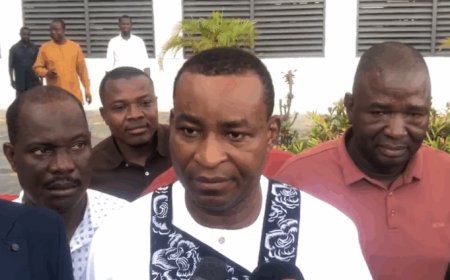







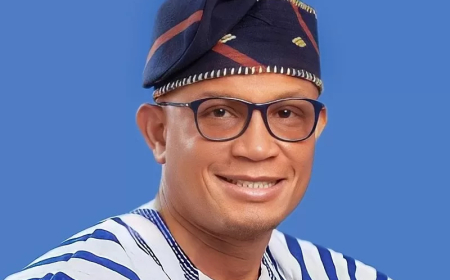

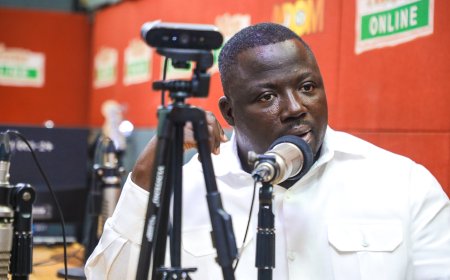








Osei Kyei-Mensah-Bonsu Calls for Clear National Policy on Galamsey, Admits Past Approach Fell Short
Former Majority Leader Osei Kyei-Mensah-Bonsu says Ghana needs a clear national policy to fight illegal mining, acknowledging that past methods were ineffective and politically costly.


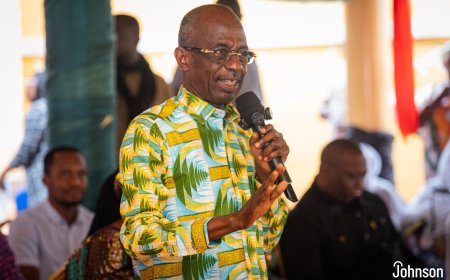
Former Majority Leader of Parliament, Osei Kyei-Mensah-Bonsu, has called for a comprehensive national policy to address illegal mining, popularly known as galamsey, while acknowledging that previous methods used to combat the menace were ineffective.
Speaking in an interview on Joy News’ AM Show, he noted that although the decision to fight illegal mining was justified, the strategy adopted at the time left much to be desired.
He explained that many of those engaged in galamsey were Ghanaians affiliated with both the New Patriotic Party (NPP) and the National Democratic Congress (NDC), making enforcement politically sensitive.
According to him, the seizure and burning of excavators at mining sites created resentment among affected communities. He stressed that while the state must take a firm stance against illegal mining, the approach must be carefully structured and guided by a clear national framework.
Mr. Kyei-Mensah-Bonsu added that the anti-galamsey strategy had electoral consequences, particularly in mining constituencies, where the party lost significant support.
Touching on debates surrounding the party’s electoral defeat, he said it was understandable for some to hold Mahamudu Bawumia responsible as leader, noting that victory would have been credited to him, just as defeat attracts blame. However, he rejected claims linking the loss to the flagbearer’s ethnicity, religion, or tensions in Bawku, describing such assertions as unfounded.
He further disclosed that post-election assessments in the Ashanti Region identified four major causes of the party’s defeat. These included external shocks such as the COVID-19 pandemic and the Russia-Ukraine War, governance-related challenges, internal party issues, and campaign-related factors including resource distribution.
He noted that these factors generated widespread dissatisfaction among voters. In particular, he cited the Domestic Debt Exchange Programme (DDEP), introduced to stabilise the economy, which affected more than 800,000 bondholders. He suggested that the financial hardship experienced by affected households contributed significantly to voter anger.
Mr. Kyei-Mensah-Bonsu concluded that Ghana must adopt a well-defined, balanced policy to combat illegal mining while safeguarding livelihoods and maintaining public trust.
What's Your Reaction?
 Like
0
Like
0
 Dislike
0
Dislike
0
 Love
0
Love
0
 Funny
0
Funny
0
 Angry
0
Angry
0
 Sad
0
Sad
0
 Wow
0
Wow
0