












Emergency Units Drive Nearly 70% of Hospital Debt — Okoe Boye
Dr. Bernard Okoe Boye says unpaid emergency care bills account for nearly 70% of hospital debt distress, calling for a dedicated emergency healthcare fund to support life-saving treatment.

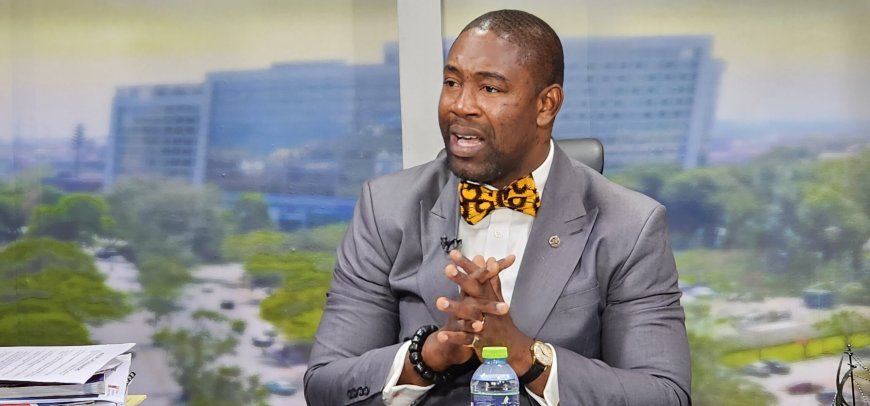
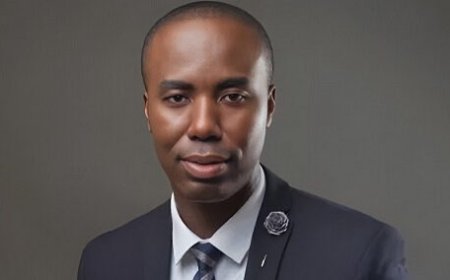
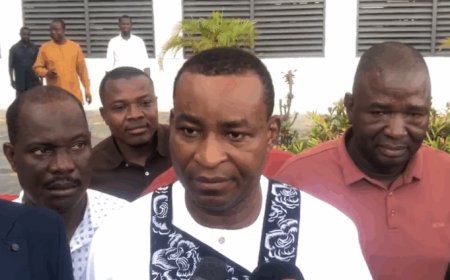
Former Minister of Health Bernard Okoe Boye has revealed that nearly 70% of hospitals that fall into debt distress or shut down do so largely because of unpaid bills generated at emergency units.
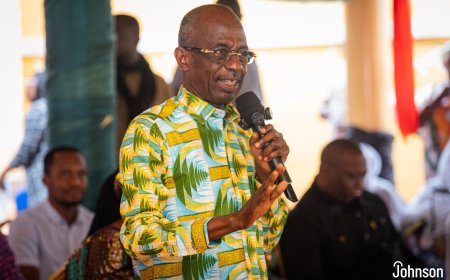
Speaking on The Big Issue on Channel One TV on Saturday, February 21, 2026, he explained that emergency departments are financially high-risk because they provide urgent, life-saving care without guaranteed payment, exposing facilities to significant bad debt.
Dr. Okoe Boye noted that beyond infrastructure and equipment concerns, Ghana’s health sector faces serious financing challenges that force emergency referrals and push hospitals toward unsustainable debt levels.
To illustrate, he cited the case of an accident victim taken to Focus Hospital, a private facility with advanced capabilities. Despite its expertise, patients may be required to make large deposits sometimes up to GH¢50,000 before treatment proceeds. If families cannot raise the funds, patients are often transferred to public facilities such as Ridge Hospital.
He explained that public hospitals typically operate at lower costs, and when bills become bad debts, the government may absorb part of the burden.
According to him, emergency departments can accumulate significant debt because treatment cannot be delayed while payment arrangements are made. Private facilities operating under strict financial models therefore struggle to sustain prolonged unpaid care.
Dr. Okoe Boye also referenced Bank Hospital, describing it as one of Ghana’s most well-equipped facilities, comparable to hospitals in the United States. However, despite being state-built, it operates on a self-financing model and must generate its own operational revenue, making deposit requirements necessary.
He added that some patients initially admitted to private hospitals are later transferred to Police Hospital not due to lack of expertise, but because families cannot sustain treatment costs.
As a policy solution, Dr. Okoe Boye proposed establishing a dedicated emergency healthcare fund supported partly by motor insurance contributions. He suggested that such a fund similar in concept to the Mahama Care Fund could cover emergency treatment at private hospitals for a limited period.
He argued that this approach would allow accident victims to receive immediate life-saving care without premature transfers caused by financial constraints, potentially saving lives during critical periods.
What's Your Reaction?
 Like
0
Like
0
 Dislike
0
Dislike
0
 Love
0
Love
0
 Funny
0
Funny
0
 Angry
0
Angry
0
 Sad
0
Sad
0
 Wow
0
Wow
0