























Specialised High Court Division to Be Staffed by Court of Appeal Judges – Judicial Secretary
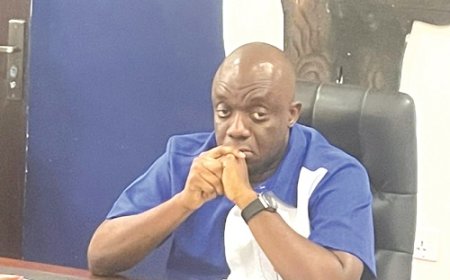
Judicial Secretary Musah Ahmed says Ghana’s new Specialised High Court Division will be staffed by specially trained judges, mostly from the Court of Appeal, to handle corruption, galamsey, and organised crime cases.

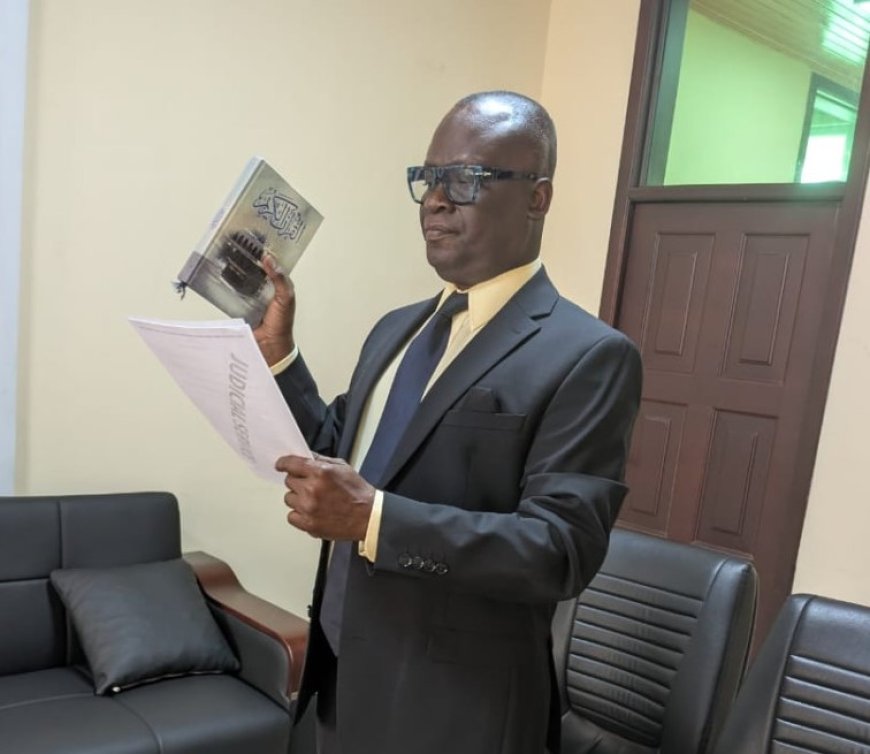
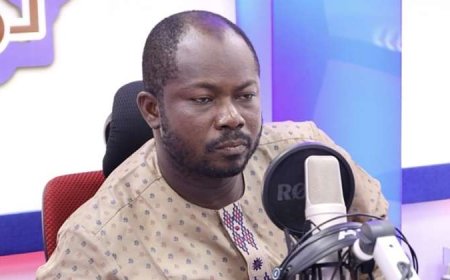
Musah Ahmed, Judicial Secretary of Ghana, has disclosed that the newly created Specialised High Court Division will operate with a unique structure and specially trained judges most of whom will be drawn from the Court of Appeal of Ghana.
Speaking on The Law on Joy News, Ahmed provided details on how the division, established by Chief Justice Paul Baffoe-Bonnie through a circular issued on February 5, 2026, will function in practice.
According to him, the courts will not merely exist in name but will be properly equipped in terms of logistics and personnel, including judges with specialised expertise relevant to the division’s focus areas.
Ahmed outlined four key sectors the new division will concentrate on: corruption and public accountability, natural resource matters including illegal mining (galamsey), state asset recovery, and organised crime and national security. These categories target some of Ghana’s most pressing governance and accountability concerns.
He clarified that the judges assigned to the division are not newly appointed officers but experienced members of the bench who have already received advanced training in specialised fields such as maritime law, cybersecurity, and financial crimes.
Importantly, he revealed that a significant number of the judges indeed, the majority will come from the Court of Appeal, underscoring the judiciary’s intention to deploy seasoned jurists to manage complex and high-stakes cases.
The creation of the specialised division is widely viewed as a response to public dissatisfaction with delays in prosecuting corruption and illegal mining cases. Acting under Section 14(3) of the Courts Act, 1993 (Act 459), the Chief Justice directed that designated judges of the Superior Court of Judicature be assigned to matters considered to be of national importance.
In addition, the Chief Justice ordered extended working hours for High Court offices from 8:00 am to 6:30 pm on weekdays—to help manage increased caseloads and accelerate proceedings.
The reforms come at a time when concerns over prolonged corruption and galamsey trials have tested public confidence in the justice system. By establishing a dedicated and well-resourced judicial framework staffed with specially trained judges, the judiciary aims to expedite proceedings and restore trust.
The Judicial Service of Ghana is also reviewing the Rules of Court, with changes expected to take effect by March 2026, alongside technological upgrades designed to improve the overall efficiency of justice delivery nationwide.
What's Your Reaction?
 Like
1
Like
1
 Dislike
0
Dislike
0
 Love
0
Love
0
 Funny
0
Funny
0
 Angry
0
Angry
0
 Sad
0
Sad
0
 Wow
0
Wow
0