










Russia Offers Support to Help African Union Quantify Slavery Reparations Claims Against Western Nations

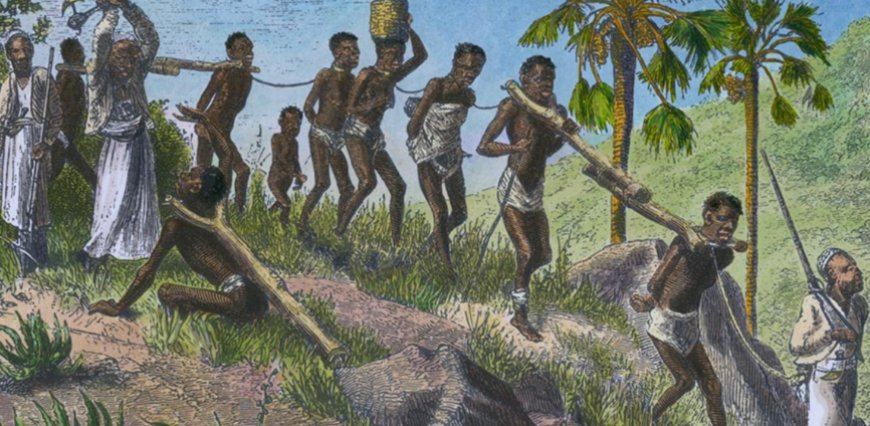
Russia has expressed readiness to support African countries in calculating potential reparations claims linked to crimes committed during the colonial era and the Trans Atlantic Slave Trade.
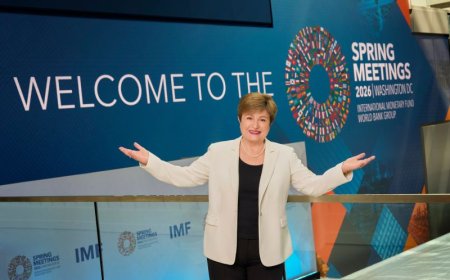
The proposal was announced on Wednesday, March 25, 2026, by Irina Abramova, Director of the Institute for African Studies of the Russian Academy of Sciences, during a press conference on the theme The Responsibility of Western Metropolises for the Consequences of Colonisation: History and Modernity, according to the African Initiative.
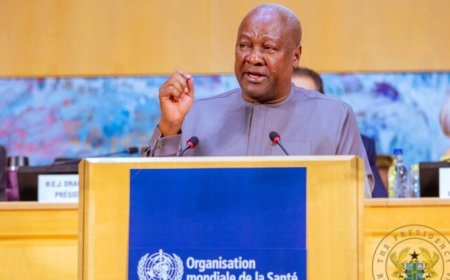
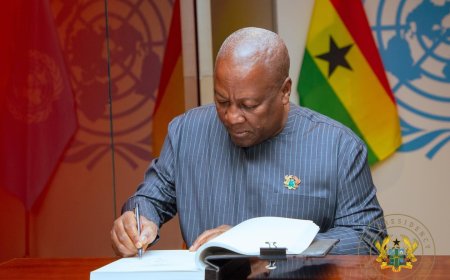
Her remarks come amid growing global momentum for reparatory justice, following support from 123 countries at the United Nations General Assembly for a motion seeking recognition of the Trans Atlantic Slave Trade as the gravest crime ever committed against humanity. The motion was tabled by President John Dramani Mahama.
According to Madam Abramova, Russia intends to collaborate with African experts to develop evidence based estimates of reparations using modern analytical tools and multidisciplinary research.
“We aim to unite the efforts of Russian scholars mathematicians, programmers, historians, and economists with African researchers in order to jointly substantiate the scale of these reparations and move forward with legal claims on various international platforms,” she stated.
She emphasized that accurately quantifying the economic and social damage caused by colonialism would strengthen Africa’s legal and diplomatic position in pursuing compensation claims. This process, she noted, would involve the use of modern scientific methods alongside extensive colonial era archives preserved across the continent.
Madam Abramova clarified that while Russia is offering technical support, the reparations agenda remains African led, stressing that solutions to Africa’s historical challenges should primarily be shaped by Africans themselves.
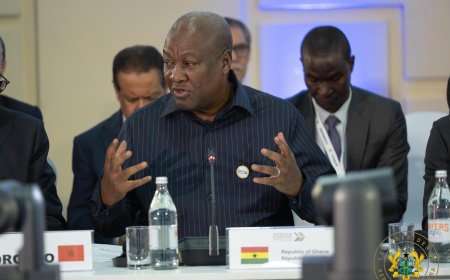
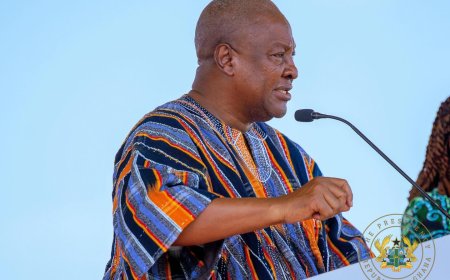
She also highlighted the role of President John Dramani Mahama, who currently chairs the African Union committee on reparations, describing him as both a political leader and a scholar advancing the discourse toward practical implementation.
Between the 15th and 19th centuries, an estimated 12.5 million Africans were forcibly taken and sold into slavery through transatlantic networks largely dominated by European traders. In recent years, the reparations debate has gained renewed global attention, with proposals ranging from financial compensation and land restitution to the return of cultural artefacts and formal acknowledgment of historical injustices.
However, the issue remains contentious internationally, with some critics arguing that present day states and institutions should not be held accountable for actions carried out centuries ago, even as calls for reparatory justice continue to gain traction across Africa and the diaspora
What's Your Reaction?
 Like
0
Like
0
 Dislike
0
Dislike
0
 Love
0
Love
0
 Funny
0
Funny
0
 Angry
0
Angry
0
 Sad
0
Sad
0
 Wow
0
Wow
0