



















IMF Warns African Economies Could Face Rising Inflation Pressures Amid Ongoing Middle East Conflict

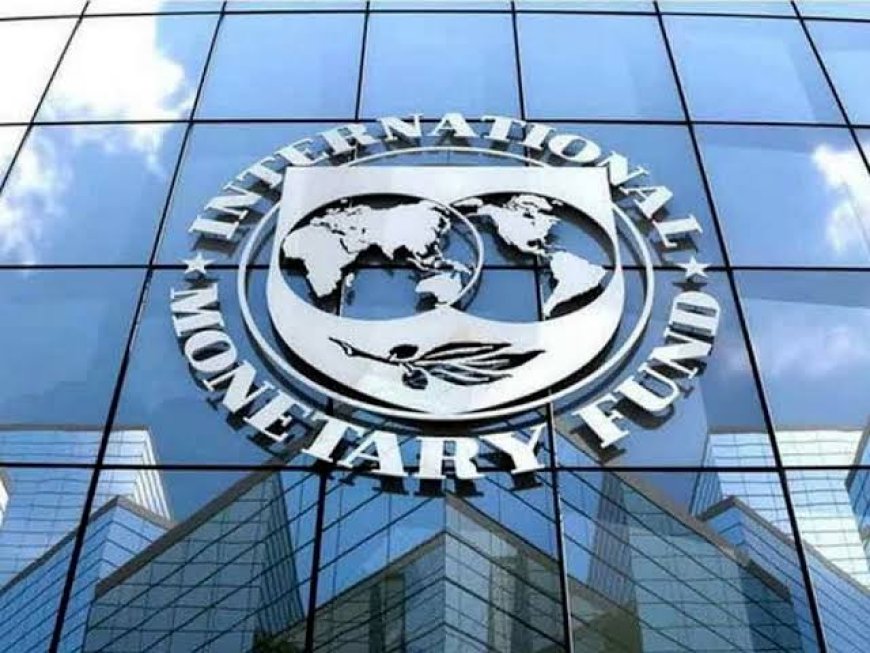
The International Monetary Fund (IMF) has called on central banks across Africa to stay alert and be ready to respond to potential inflationary pressures stemming from the continuing conflict in the Middle East.
According to the Fund, a sustained 10% increase in global oil prices over the course of a year could push global headline inflation up by about 40 basis points, with African countries that rely heavily on imports expected to feel the greatest impact.
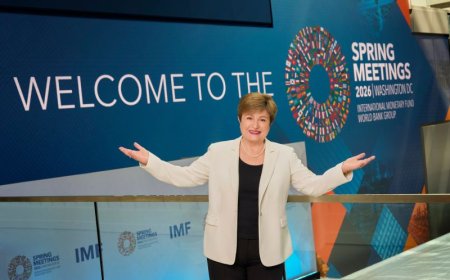
Speaking during a press briefing on Thursday, March 19, Director of the IMF’s Communications Department, Julie Kozack, indicated that a prolonged conflict in the Middle East poses fresh economic risks for many countries across the African region.
She explained that economies dependent on imports are likely to experience rising costs, which could place additional strain on their balance of payments.
Ms. Kozack further noted that the effects would largely be transmitted through increases in commodity prices such as oil, gas, fertiliser, and food, all of which are critical imports for many African nations. However, she added that commodity-exporting countries on the continent could benefit from higher prices through improved foreign exchange inflows.
She also pointed out that disruptions to energy supplies including possible closure of the Strait of Hormuz and damage to infrastructure in the Gulf have already contributed to oil and gas prices rising by more than 50 percent over the past month, creating economic challenges for many African states.
According to her, rising energy costs could further drive inflation upward, while tighter global financial conditions may reduce access to international capital markets and increase borrowing costs for governments.
Ms. Kozack warned that economies still recovering from the effects of COVID-19, the 2022 food and energy crisis, and climate-related shocks remain particularly vulnerable and could face serious setbacks if the situation persists.
She stressed the importance of central banks closely monitoring possible secondary effects on inflation and keeping track of public inflation expectations.
While acknowledging that tightening monetary policy could slow economic growth and increase unemployment and poverty risks, she cautioned that failure to act decisively might allow inflation to become more deeply entrenched. She therefore encouraged central banks to carefully manage these difficult policy choices.
Ms. Kozack assured that the IMF stands ready to support affected countries and announced that the Fund will provide a detailed assessment of the regional impact in its April World Economic Outlook, including projections based on how long the conflict lasts and future commodity price trends.
What's Your Reaction?
 Like
0
Like
0
 Dislike
0
Dislike
0
 Love
0
Love
0
 Funny
0
Funny
0
 Angry
0
Angry
0
 Sad
0
Sad
0
 Wow
0
Wow
0