















Cabinet Orders Forensic and Criminal Probe of COCOBOD Over Eight-Year Financial Mismanagement
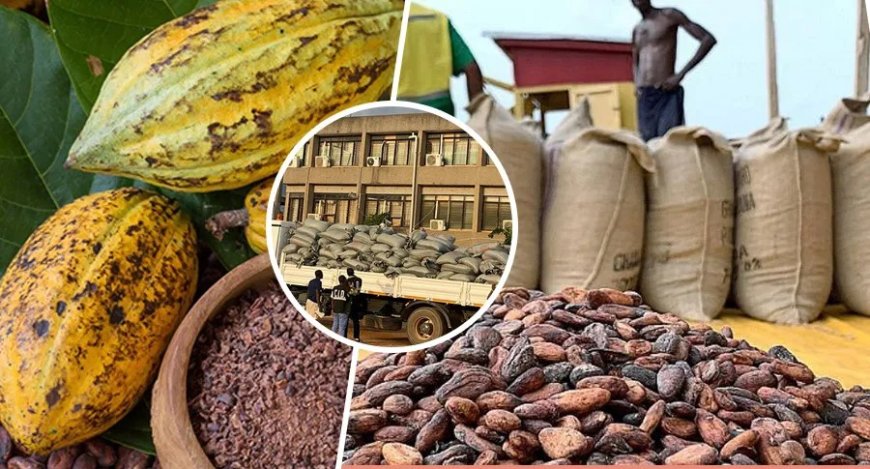
Ghana’s Cabinet has mandated a forensic audit and criminal investigation into the Cocoa Board (COCOBOD) covering the past eight years, following allegations of wasteful spending, massive debt, and mismanagement that threaten the cocoa sector and farmers’ livelihoods.

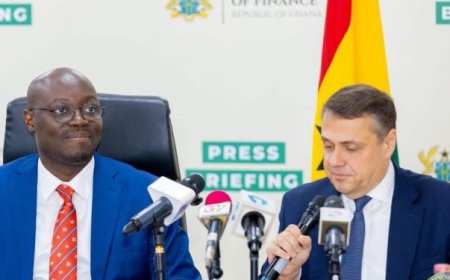
The Minister of Finance, Dr. Cassiel Ato Forson, has announced a comprehensive crackdown on the Ghana Cocoa Board (COCOBOD), directing both a forensic audit and criminal investigation into the organization’s operations over the last eight years.
Speaking at a press briefing in Accra on Thursday, 12th February 2026, Dr. Forson disclosed that the Cabinet has authorized the Attorney-General to lead the probe aimed at identifying the causes behind COCOBOD’s staggering GH¢32.9 billion debt.
The directive comes amid a severe liquidity crisis in the cocoa sector, leaving over 50,000 metric tonnes of cocoa stranded at ports and Licensed Buying Companies (LBCs) owing more than GH¢10 billion to banks.
Legacy of Mismanagement
The investigation will focus on what the Finance Minister called “wasteful and uncontrolled spending” since 2017. Several major financial irregularities have been highlighted, including:
Jute Sack Controversy: 80,000 bales of jute sacks worth $48 million were ordered in 2024, despite a pre-existing stock of 150,000 bales at ports.
Cocoa Road Contracts: Contracts for cocoa roads amounting to GH¢26 billion, with over GH¢21 billion spent without approved budgets between 2018 and 2021.
Losses from Legacy Contracts: Selling 333,767 tonnes at $2,600 per tonne—far below current market rates—has resulted in significant financial losses.
“Cabinet has instructed the Ministry of Finance to implement immediate reforms to streamline COCOBOD’s operations and cap expenditures. Accountability is now mandatory,” Dr. Forson emphasized.
Immediate Reforms
The Finance Ministry plans to overhaul the sector with a new domestic funding model to reduce reliance on costly international syndicated loans, which collapsed during the 2024/2025 season. Key measures include:
Administrative Spending Caps: Banning non-essential procurement, including luxury vehicles.
Liquidity Support for LBCs: Addressing $185 million owed to private buyers to ensure timely farmer payments.
Audit of the Cocoa Rehabilitation Program: Investigating the $350 million fund intended for 156,000 hectares, of which only 40,000 hectares were reportedly rehabilitated.
Rising Costs and Global Market Pressure
The crisis is worsened by global cocoa price declines, currently around $4,000 per tonne, while Ghana’s production and logistics costs have risen to $6,300 per tonne, making Ghanaian cocoa uncompetitive.
Farmer groups, led by COCOSHE, have warned that delayed payments are forcing cocoa farmers to sell lands to illegal miners, a trend Dr. Forson described as “national suicide” if not urgently addressed.
What's Your Reaction?
 Like
0
Like
0
 Dislike
0
Dislike
0
 Love
0
Love
0
 Funny
0
Funny
0
 Angry
0
Angry
0
 Sad
1
Sad
1
 Wow
0
Wow
0