














$31bn Transferred Without Matching Imports in Five Years — GRA Boss
GRA Commissioner-General Anthony Sarpong says $31 billion was transferred out of Ghana over five years without corresponding imports, prompting reforms and AI-based monitoring.

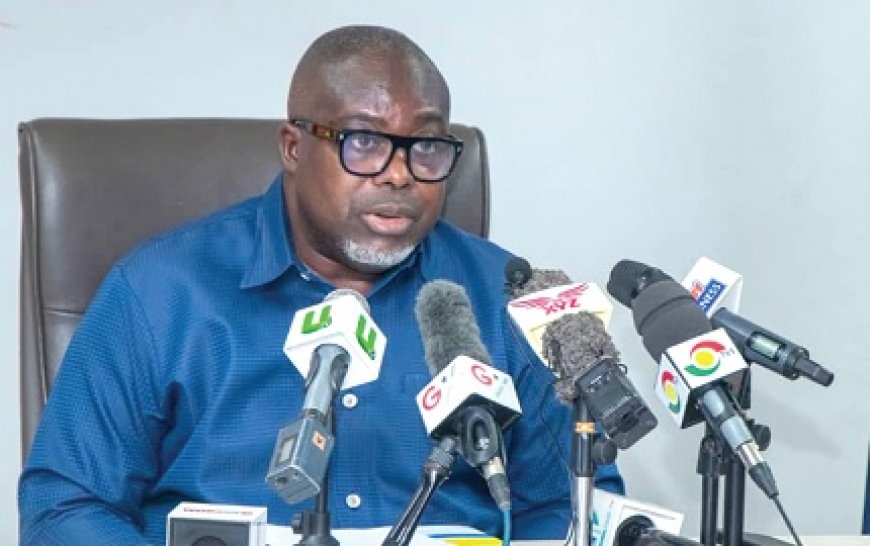
The Commissioner-General of the Ghana Revenue Authority (GRA), Anthony Sarpong, has revealed that a five-year review of trade data uncovered about $31 billion transferred out of Ghana without matching goods entering the country.
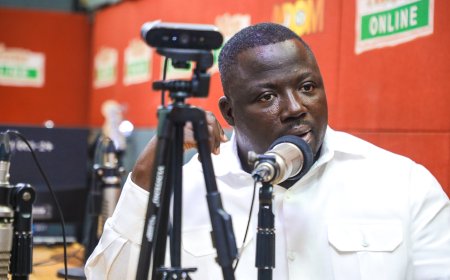
Speaking on Super Morning Show on April 10, Mr Sarpong described the findings as highly revealing, noting that they exposed systemic weaknesses in how imports were declared and monitored at the country’s ports.
According to him, the discrepancies extend beyond trade data and have significant implications for Ghana’s foreign exchange management. The review also identified widespread misclassification of goods, incorrect valuation, and manipulation of country-of-origin declarations.
Mr Sarpong further disclosed evidence of collusion involving shipping line staff, customs officers, and some importers, describing it as a coordinated scheme that enabled revenue leakages.
He explained that reliance on manual processes and excessive human discretion contributed to the problem, creating opportunities for abuse within the system.
To address the issue, the GRA has introduced automation and artificial intelligence to strengthen controls across key risk areas, including classification, valuation, and country-of-origin verification. This led to the rollout of the Publican system, a digital platform designed to detect anomalies before goods are cleared.
Launched on March 12, 2026, the Publican system functions as a real-time monitoring tool that cross-checks import declarations against global price benchmarks and historical trade data, flagging suspicious transactions instantly.
Revenue leakages at Ghana’s ports have long been a concern, often arising from practices such as under-declaration, misclassification of goods, and transit diversion—where goods meant for neighbouring countries are illegally sold within Ghana.
Mr Sarpong expressed optimism that increased automation and AI-driven oversight would significantly reduce losses and improve transparency within the import system.
What's Your Reaction?
 Like
0
Like
0
 Dislike
0
Dislike
0
 Love
0
Love
0
 Funny
0
Funny
0
 Angry
0
Angry
0
 Sad
0
Sad
0
 Wow
0
Wow
0